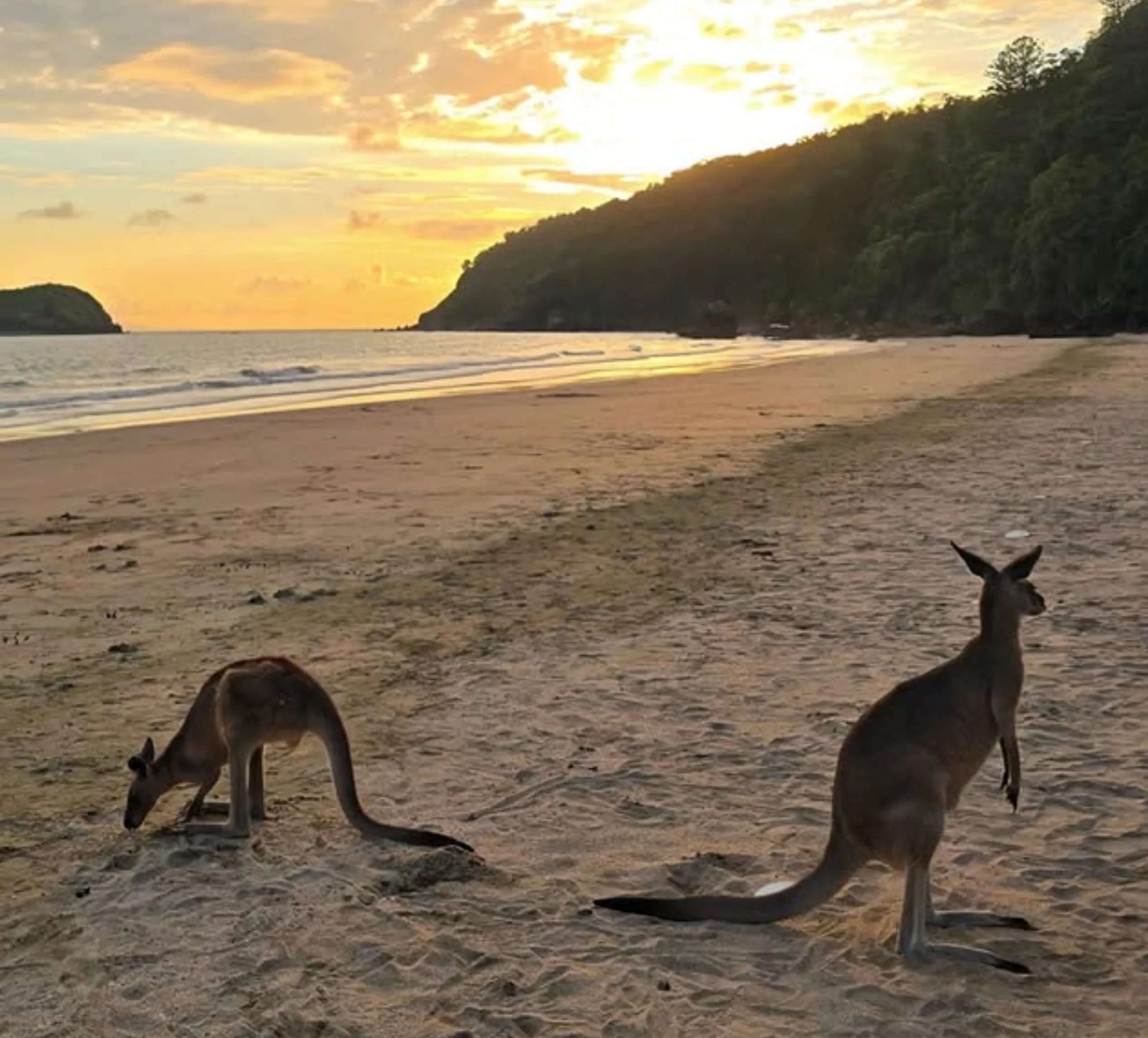
Where to catch wild kangaroos on the beach in Western Australia? Head straight to the far south-east of the state, around Esperance – that’s where kangaroos are known to just wander down onto the white sand beaches within certain protected coastal parks. This isn’t some once-in-a-lifetime, unexpected sight or some zoo setup, no – it’s actually a pretty regular occurrence in the right place at the right time, so long as you behave & leave those roos alone.
I’m Paul Beames, and after all these years of guiding travellers across Australia – and many early mornings of shaking salt out of my boots – this part of WA remains the best spot in the country to see kangaroos on the beach without any fancy gimmicks or barriers.
Why Esperance is Where the Magic Happens
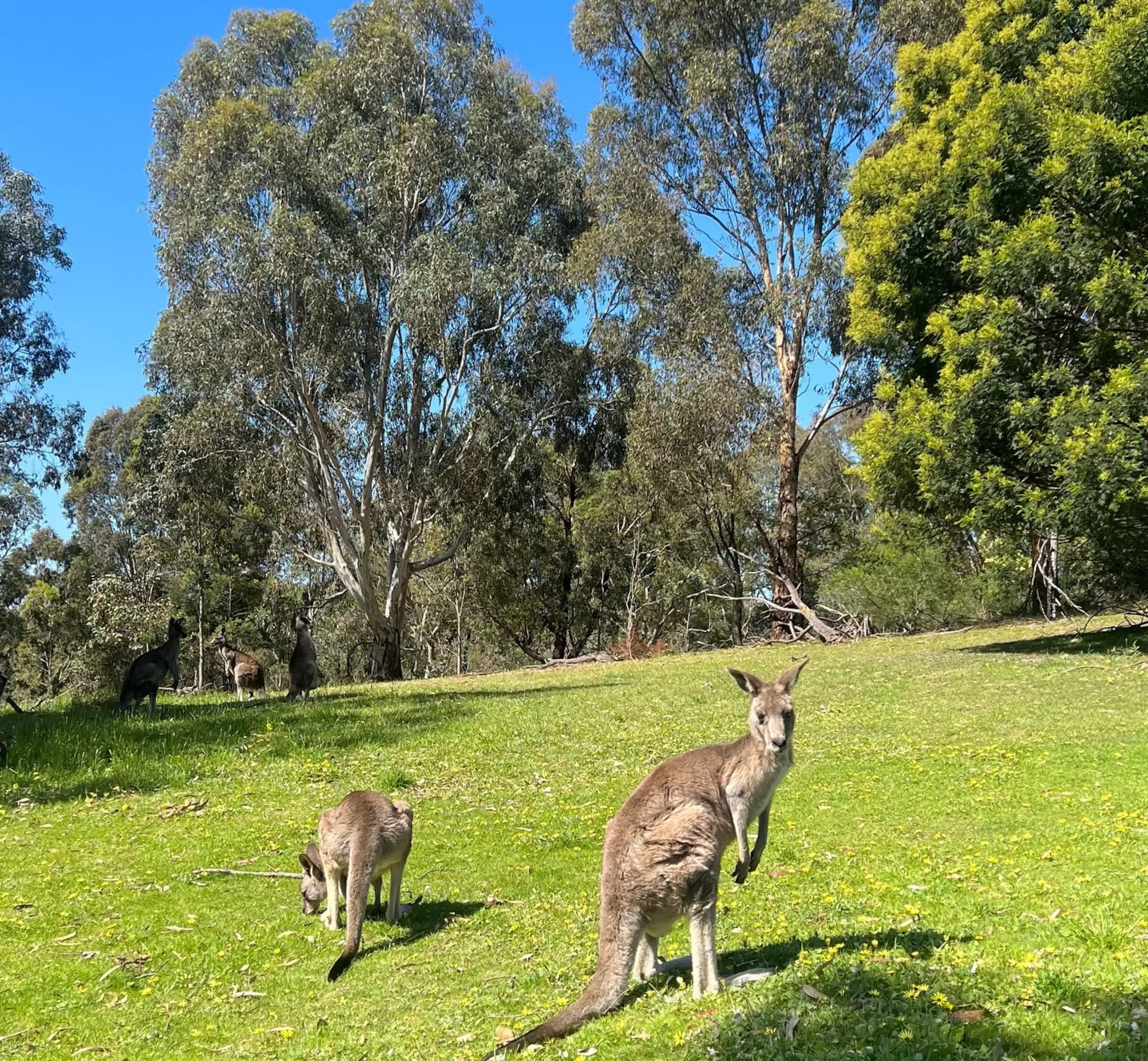
Kangaroos don’t exactly “visit” beaches like it’s a tourist attraction. They just graze, rest and move through landscapes that they find suitable. Around Esperance, you get this amazing combination of coastal heath, freshwater soakages, and very little car traffic – it really helps the wildlife thrive.
It’s the National Parks that make this place truly special – not much development, no dogs allowed on the beach, and limited vehicle access means kangaroos are never forced into the hills. That’s what sets this place apart from the rest – a real wildlife experience, not just some postcard snap.
The result is roos that happily roam the beach – not because there are loads of people there, but despite the fact that people are there, in fact.
Lucky Bay: Where it all Comes Together
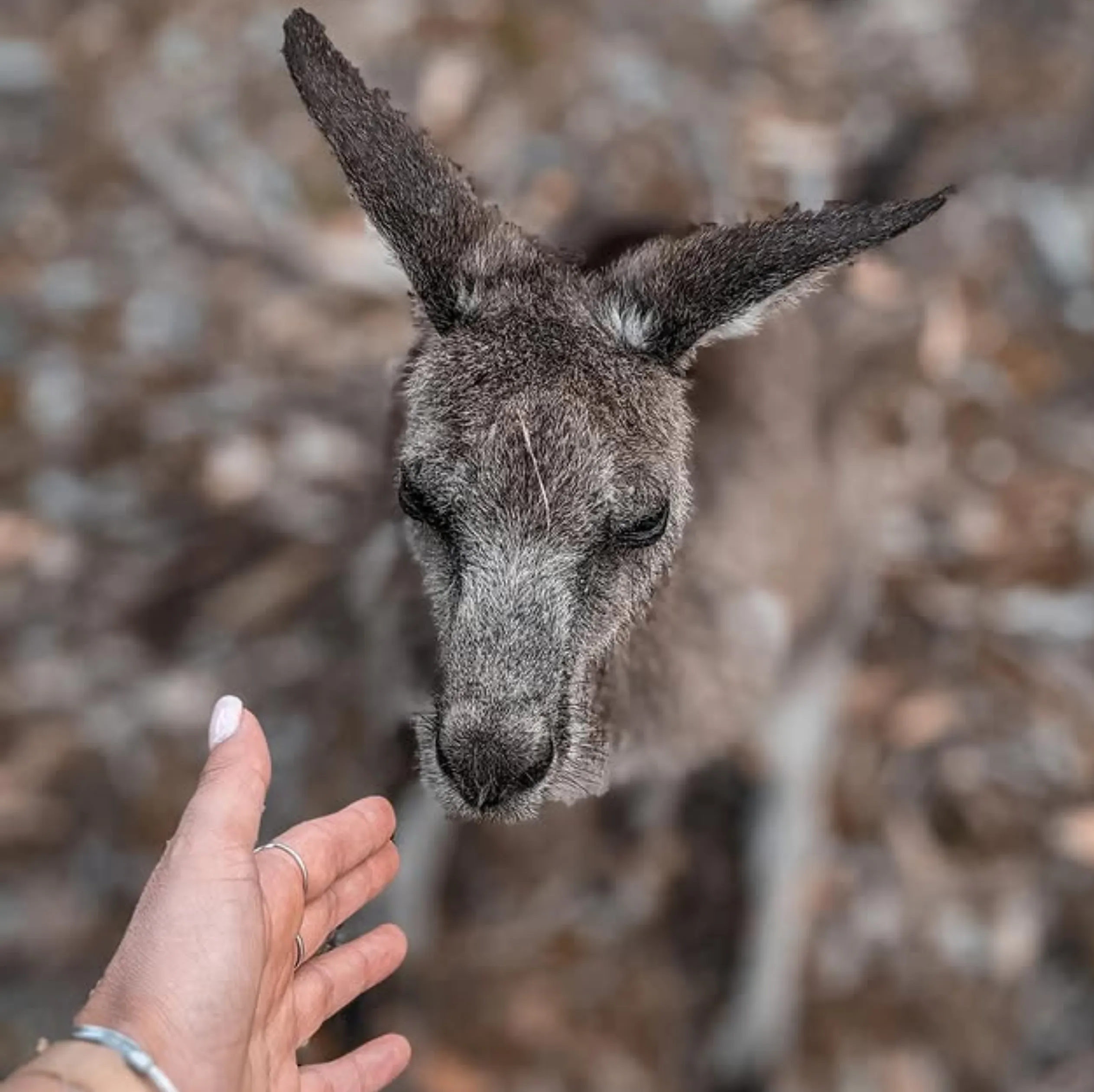
Inside Cape Le Grand National Park, Lucky Bay is by far the most reliable spot for beachside kangaroo sightings in Australia.
Here’s the real deal on what happens here. Early morning and late afternoon, kangaroos will move down from the sand dunes to graze on the beach, often right by the waterline, and then just drift off into the scrub as things get hot and busy.
Yep, there are toilets, a campsite and sealed access – but don’t get it in your head that these animals are all staged for your enjoyment. They’re not there to be guaranteed to show up, trained to appear on cue or guaranteed to show up – that’s the magic of it all. Some mornings, you might see loads of roos, and others, you’ll be lucky if you see any at all. That’s what makes it so special.
Quieter Bays for Those Who Hate the Crowds
If Lucky Bay is too busy for your liking, nearby Hellfire Bay and Thistle Cove are worth a look – same national park, but fewer cars and often the same kangaroo antics. It just takes a bit more patience to get some good sightings.
In these bays, the roos tend to stick close to the scrub, so the best chance is to stop walking, take a seat and just let the place settle. I’ve had some of my best sightings just sitting still on the sand and waiting.
This is where smaller, low-impact tour groups like Wildlife Tours run guided tours that focus on timing and keeping a safe distance, rather than all about getting the perfect photo op.
When Wildlife Activity Peaks (Season Matters)
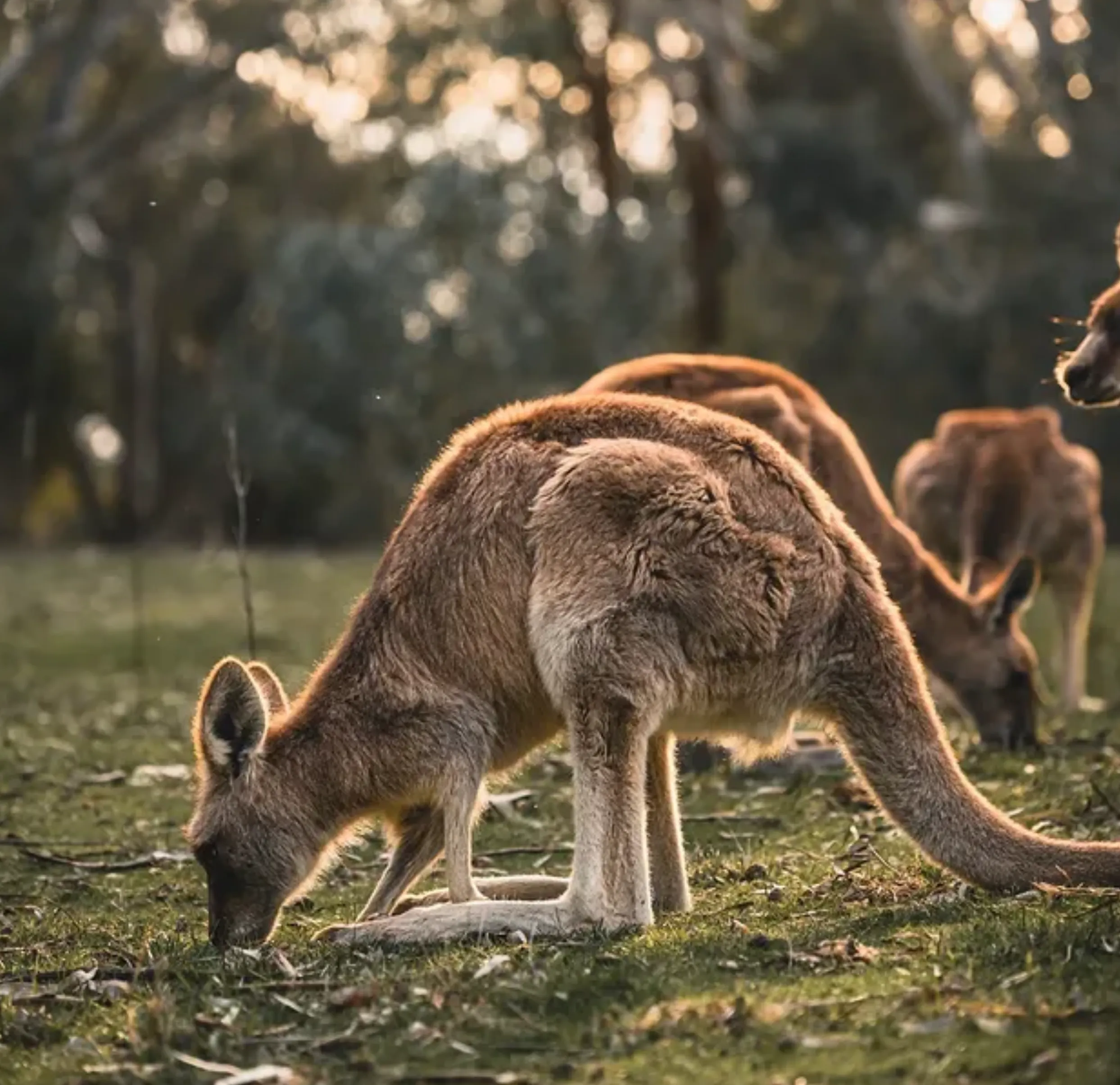
Timing is everything, not just a bit of luck.
The most reliable spots to catch a sighting are:
- April to June – the weather’s a bit cooler, there’s fresh feed to munch on, and things are a bit calmer
- September to October – they’re out grazing before the summer heat really sets in and makes things unbearable
They’re not exactly keen on hanging out in the midday sun during the summer months either. If it’s a stinker of a day, they’re probably off in the shade getting their beauty sleep, not posing for photos on the sand. School holidays are another thing – it’s a bit of a madhouse out there, and the animals tend to avoid the crowds.
If you want to get some decent photos, light’s a biggy too. Early morning is when the colour’s softer and the shadows are a bit more forgiving – and there are usually fewer people traipsing through your frame too.
How WA Compares With Other Wildlife Beaches
We’ve got a bunch of coastal spots around Australia where you can catch a glimpse of wildlife hanging out on the sand, but they don’t all behave the same way.
- Pebbly Beach in NSW might get the occasional roo, but it’s a bit of a crapshoot with all the crowds and variable conditions
- Cape Hillsborough Beach in Queensland’s got wallabies at sunrise, but that’s about it
- Kangaroo Island‘s a real hotspot for wildlife, but the beach sightings are a bit more hit and miss
What really sets Esperance apart is its size and the way it’s been protected. It’s got vast parklands, not too much development and really strong management, so the wildlife can just go about its business without getting too stressed out – unlike other places.
Perth: Don’t Even Bother Asking About the Beach
People often ask about Perth beaches, but the reality is that the concrete jungle chases wildlife away fast.
Places like Heirisson Island, Yanchep National Park and John Forrest National Park all have their fair share of kangaroos, but the beaches are pretty much off limits due to roads, houses and the locals’ dogs. The roos are pretty quick learners – they know where it’s safe to hang out and where it’s not.
If you’re based near Perth and you’re after some iconic Aussie wildlife, you could try Rottnest Island for quokkas in a controlled environment or Esperance for kangaroos with no pesky tour groups getting in the way.
How Not to Screw Up These Wild Sightings
Seeing kangaroos on beaches only works if the visitors don’t go and ruin it for everyone.
Keep it simple:
- Stick back a fair distance (at least 10 metres)
- Never, ever feed the wildlife
- Leave the drones at home – they’re banned in national parks
- And for goodness’ sake, leave the dogs behind
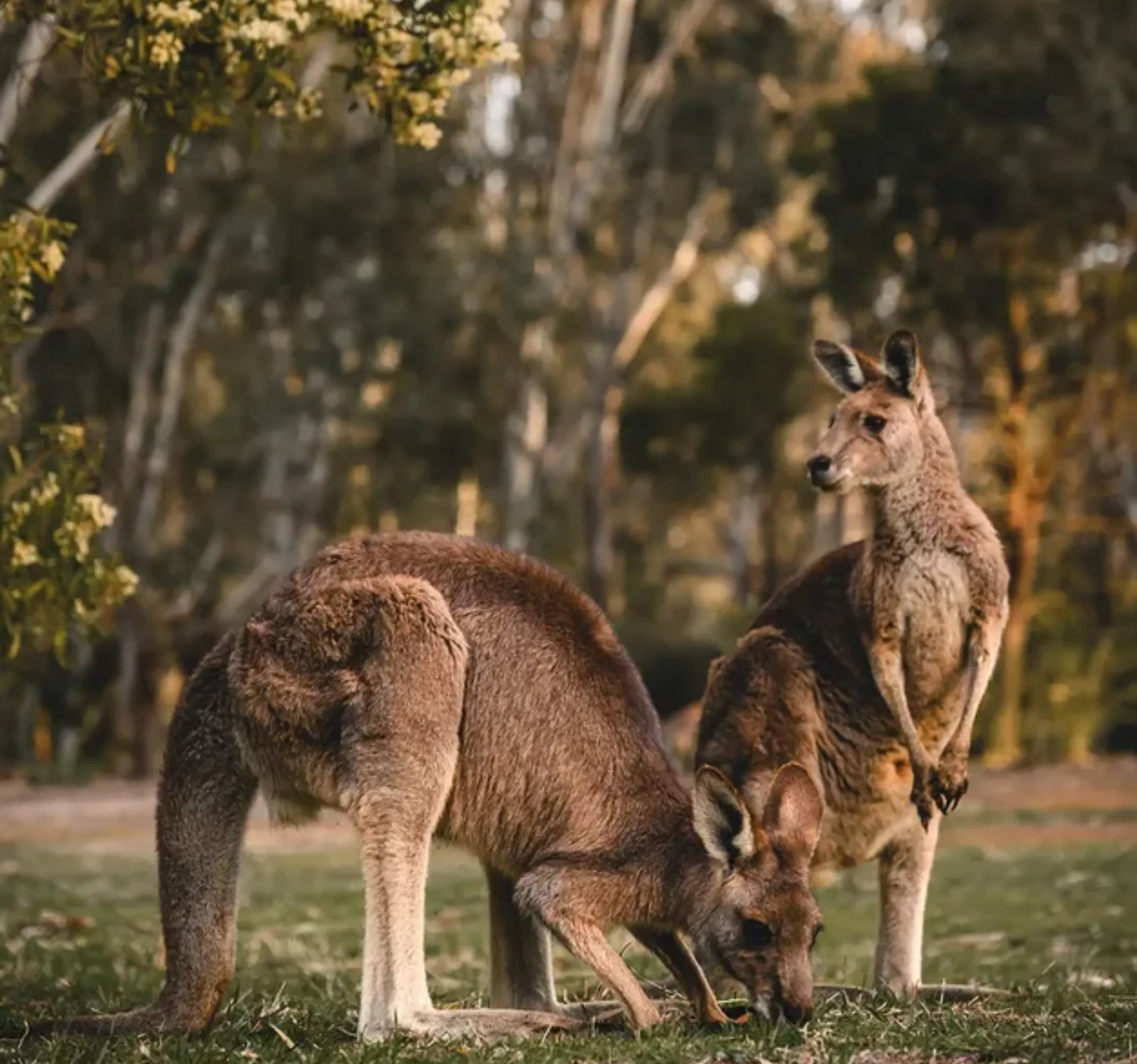
If a roo turns its head to the side, thumps its foot or scarpers, you’ve probably pushed too close. Back off a bit. The best encounters are when the animals forget you’re even there.
This is the approach that underpins good operators like Wildlife Tours – their guided tours are all about observing the roos, not getting in their face.
Access, Roads, and Real World Logistics
Even by outback standards, Esperance might not be that far flung, but you still need to put some thought into planning a trip there.
- Perth to Esperance is about 720 kilometres of driving
- Fill up with petrol before you hit the national parks – things can get pretty remote in there very quickly.
- Mobile phone reception tends to vanish pretty fast once you’re inside the parks
- While the main roads to the major bays are sealed its always worth keeping an eye out for road closures after bad weather or bushfires. And check the local news before you head out to make sure you don’t get caught out.
Why Protection Matters Now More Than Ever
Kangaroo numbers in Australia are notorious for going up and down with the rain and seasons – and the numbers vary wildly from year to year. We’re talking somewhere between 25 and 50 million animals, but the places they hang out keep changing. And if we didn’t have protected areas like the national parks, the coastal populations would really struggle to survive.
Parks and Wildlife WA do their thing and put a premium on making sure the habitat is safe rather than just chucking open the areas to the public. Which is why visitors like you still get to experience seeing these guys in the wild without feeling like you’re being herded along, and that’s why visitors need to do their part.
The Real Deal from Someone Who Knows
If you’re after wild kangaroos on a Western Australia beach, then Esperance and Cape Le Grand National Park are still the best bet. Get there early, take your time & treat the place with respect – after all, it’s the locals ‘ shared Country. Not some backdrop you just set up for a photo shoot.
Some mornings, you won’t believe your luck. Other days, you might show up to find the beach is deserted, the clouds are out, and the wind’s blowing a gale. But that’s all part of the deal. That’s just the way it is when you’re chasing wildlife.
If you’re short on time or don’t know where to start, and you’d rather get local know-how without going it alone, consider low-key operators like Wildlife Tours. They can sort out the timing and the access for you – especially on their really thought-through kangaroo encounters guided tours that put the animals first.
FAQ
Are the kangaroos at Lucky Bay truly wild, or have they just got used to people?
They’re as wild as you can get – some of ’em are happy to have a close look, but don’t get any funny ideas – they’re not tame and should be treated with a lot of respect.
Is Esperance the only place in WA where you can guarantee to spot kangaroos?
It’s the most reliable spot in the state. Other bits of WA might get a few lucky sightings, but they’re rare as hens’ teeth, and nobody can tell you when or where.
What time of day gives you the best chance of spotting a roo on the beach?
Early morning and late arvo – that’s when your best chances are, especially if you’re not in the middle of peak season.
Can kids safely watch kangaroos on these beaches, as long as they’re with an adult?
Absolutely – if you keep them at a safe distance. Never let them get too close or try to chase wildlife.
Do you think taking a guided tour improves your chances of spotting a roo?
Yeah, they probably do. Tours with small groups, like the kangaroo encounters, can help with timing and location knowledge and ensure you’re not upsetting the wildlife.